The Science of Filter Coffee
Why is South Indian filter coffee so difficult to get right?
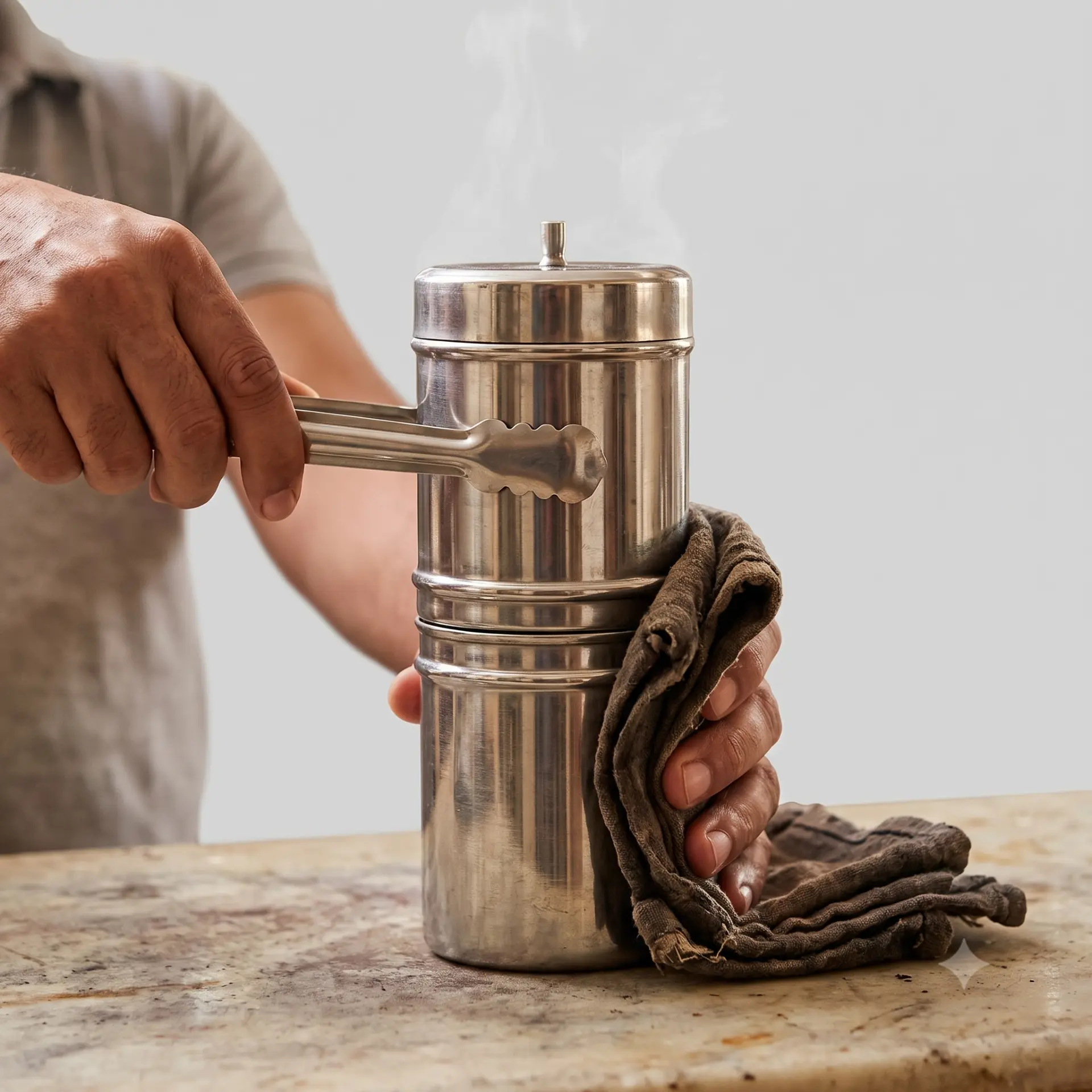
You use the same filter. You buy the coffee powder you like. You follow the same familiar routine.
Yet, some mornings, the decoction turns out rich and aromatic. Other days, it’s weak, bitter or just not quite right. Sometimes it drips for ages. Sometimes it seems to stop altogether.
So you change the coffee powder. And the cycle repeats.
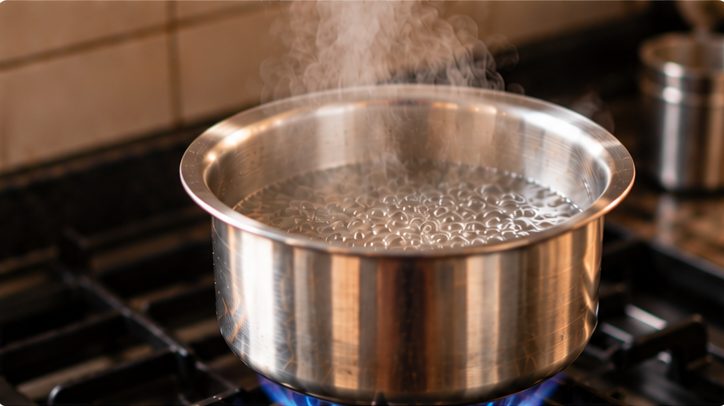
South Indian filter coffee has a beautifully simple method. But beneath that simplicity is a brewing process in which grind size, water temperature, the way water reaches the coffee and the time it spends there all influence the result.
Let’s look at why getting that familiar cup right can be harder than it seems.
02 · INTERACTIVE EXPLAINER
Key factors impacting your brew
Explore each factor below to understand why the same familiar filter can produce surprisingly different results.
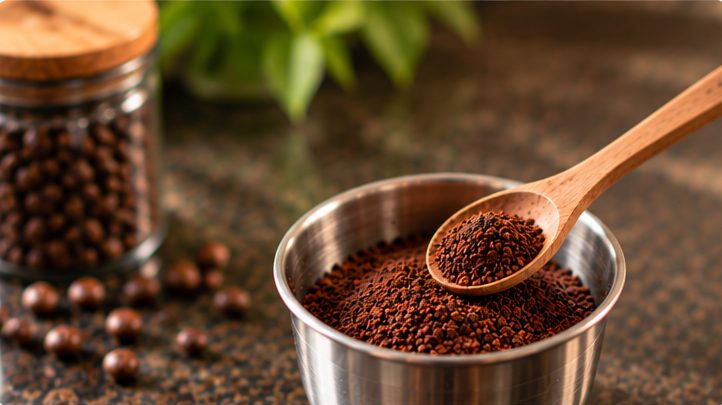
It seems logical that finer powder should make stronger coffee. But a traditional filter relies on gravity, not pressure, to draw water through the coffee. Very fine powder packs tightly, restricts the flow and can create channels where water passes through unevenly. Some grounds release too much flavour while others are barely extracted. This leads to inconsistency and bitter taste
Takeaway
Medium-coarse powder, roughly the texture of rava or sooji, is a good starting point.

03 · BRING IT ALL TOGETHER
The tricky part? These variables don't work in isolation.
Think about what happens when the grind is too fine. Water drains more slowly. The coffee stays in contact with water for longer, while the water itself may cool. Meanwhile, the flow may not be evenly distributed throughout the coffee bed.
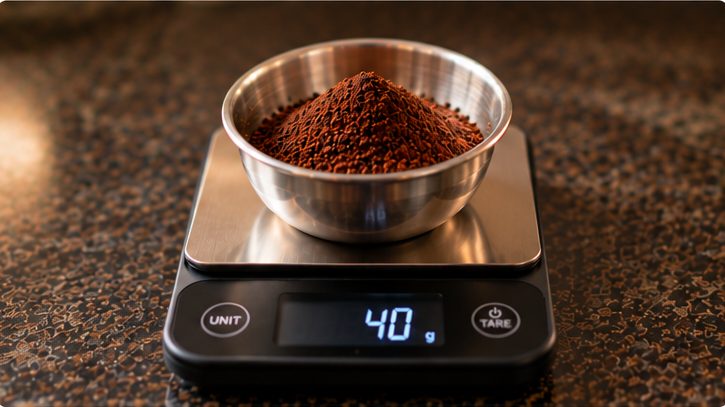
Now imagine changing the coffee blend, adding the water differently or using a slightly different amount of powder. The result changes again.
This is why the same familiar routine doesn't always deliver the same cup.
A traditional filter is wonderfully simple in its design. But the brewing process inside it is affected by several interacting variables, many of which are difficult to measure or control in a home kitchen.
You're not necessarily doing it wrong. You may be trying to repeat a process that changes a little every time.
04 · THE BYTECHEF STORY
Approaching Filter Coffee as an Engineering Problem
Around the world, coffee enthusiasts have access to machines designed around particular brewing styles from espresso to pour-over. South Indian filter coffee has its own character and its own brewing requirements.
We started wondering: could we study those requirements and bring more control to the traditional process, without changing what makes filter coffee special?
That question became the starting point for ByteChef.
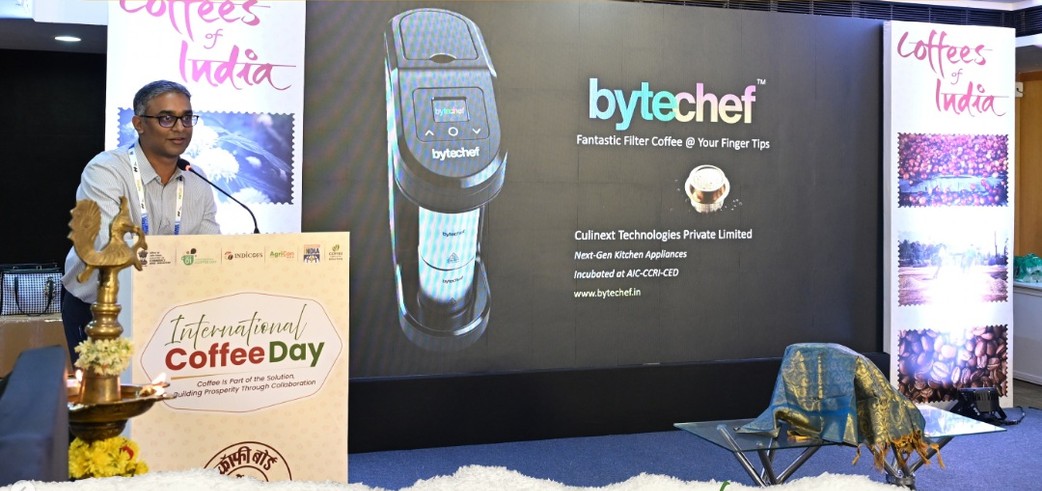
We've been studying the variables that influence filter coffee and developing a machine specifically for this brewing method. Our approach focuses on controlling water temperature, delivering water in measured intervals and managing the brewing cycle more consistently.
We believe a beloved daily ritual deserves the same thoughtful engineering that other brewing styles have received.
05 · CLOSING
Filter coffee is difficult because the result depends on several small things coming together in the right way.
Understanding the role of grind, temperature, water delivery and time helps explain why the disappointing cup isn't always a mystery and why repeating the same steps doesn't always repeat the same result.
At ByteChef, we're working on making this process more consistent.